Focus on Customized High Speed Brush Machine since 1988.
Language
Think about the most common toilet brushes found across all homes, hotels and offices. Although, it is a very simple product but its manufacturing process involves advanced engineering and selected materials with precision production systems. A high quality toilet brush must be durable, hygienic, resistant to chemicals and comfortable to use while maintaining effective cleaning performance.
Now, if you are the manufacturer and receiving complaints about loose bristles, broken handles or brushes that wear out quickly. These problems are associated with raw material selection, inefficient manufacturing process and low quality equipment. In this competitive market era, small production issues can damage the reputation of organisation and reduce profitability.
This shows the importance of understanding toilet brush manufacturing process with high performance products. From selecting suitable raw materials to choosing the advanced toilet brush manufacturing equipment, each of the steps highly influence quality of product and production efficiency.
This blog will provide you guide about the entire toilet brush making process including raw materials, production stages, essential machinery and tips for improving manufacturing process.
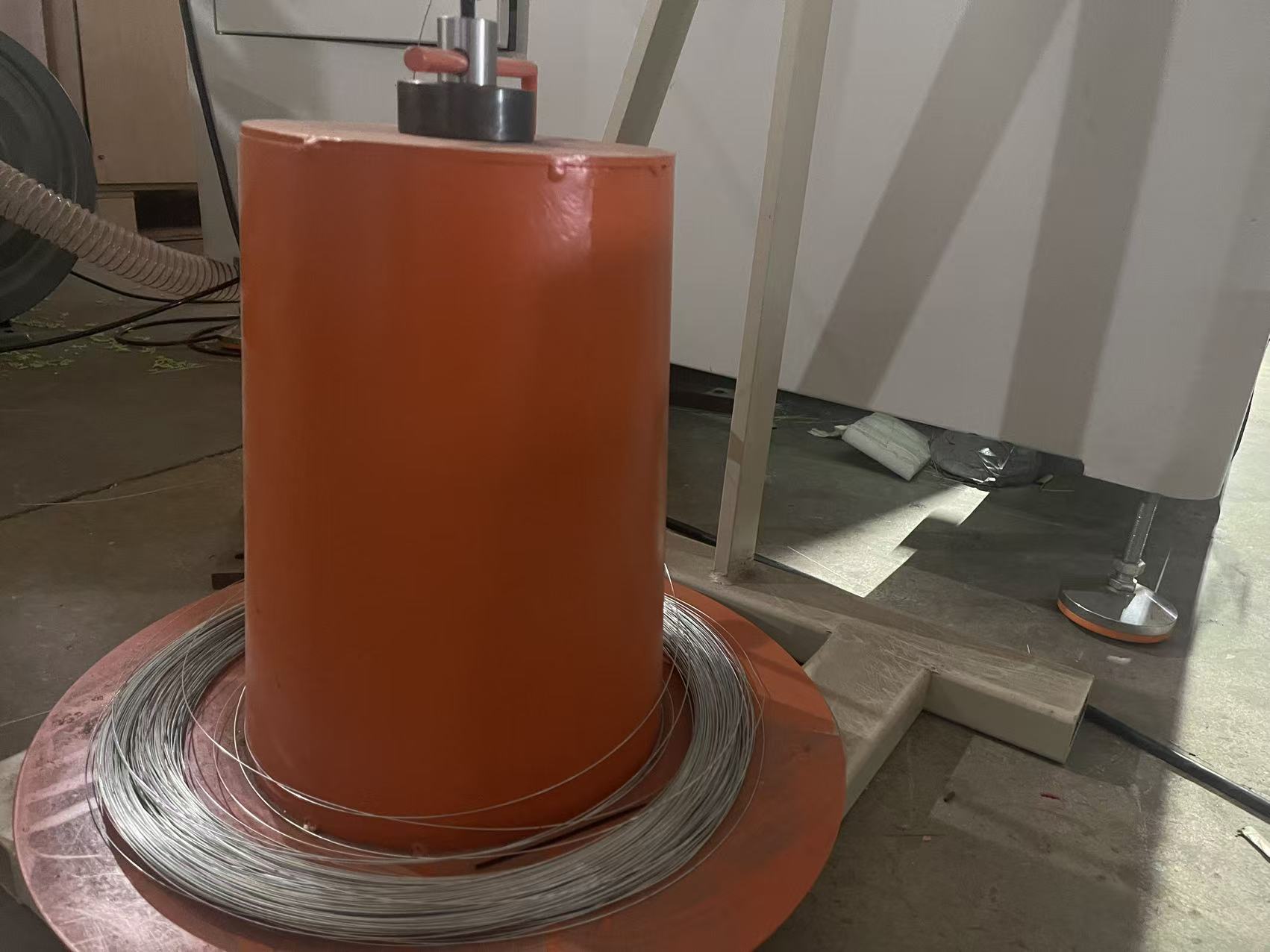
The toilet brush production refers to the industrial manufacturing process used for producing toilet cleaning brushes through operations such as handle manufacturing, brush block making, drilling, tufting, trimming, assembly and packaging.
The modern production industries use automated systems for achieving high speed manufacturing, consistent quality and low labor costs. Toilet brushes are manufactured in different shapes including.
· Standard toilet brushes
· Silicone toilet brushes
· Round toilet brushes
· Flat toilet brushes
· Disposable toilet cleaning brushes
· Heavy-duty commercial toilet brushes
Raw materials play a critical role in determining the durability, flexibility, hygiene and appearance of toilet brushes.
Plastic is one of the most commonly used material in toilet brush manufacturing due to its durability, low cost and corrosion resistance. This can be used for handles and brush bases. The common plastic materials have been summarized in table below along with their properties to help you select the best material that suits the requirements.
Material | Properties |
Polypropylene (PP) | Lightweight, chemical resistant |
Polyethylene (PE) | Flexible and impact resistant |
ABS Plastic | Strong and durable |
PVC | Moisture resistant |
Nylon | High wear resistance |
Among all of these materials, polypropylene is highly preferred because of its balanced cost and durability.
The cleaning performance of a toilet brush depends on bristle quality and common materials which can be used for the bristle are Nylon, silicon, polyester and polypropylene. In the modern era, silicon toilet brushes have become more popular due to their ability of avoiding bacterial growth and becoming dry faster as compared to other materials.
Some brushes use metal wires during the tufting process. The most common metals used are stainless steel, galvanized steel and aluminum. In these applications, stainless steel is preferred because of its corrosion resistance ability.
The premium toilet brushes include rubber handles for improved grip and comfort as these materials enhance comfort, ergonomics and avoid slipping.
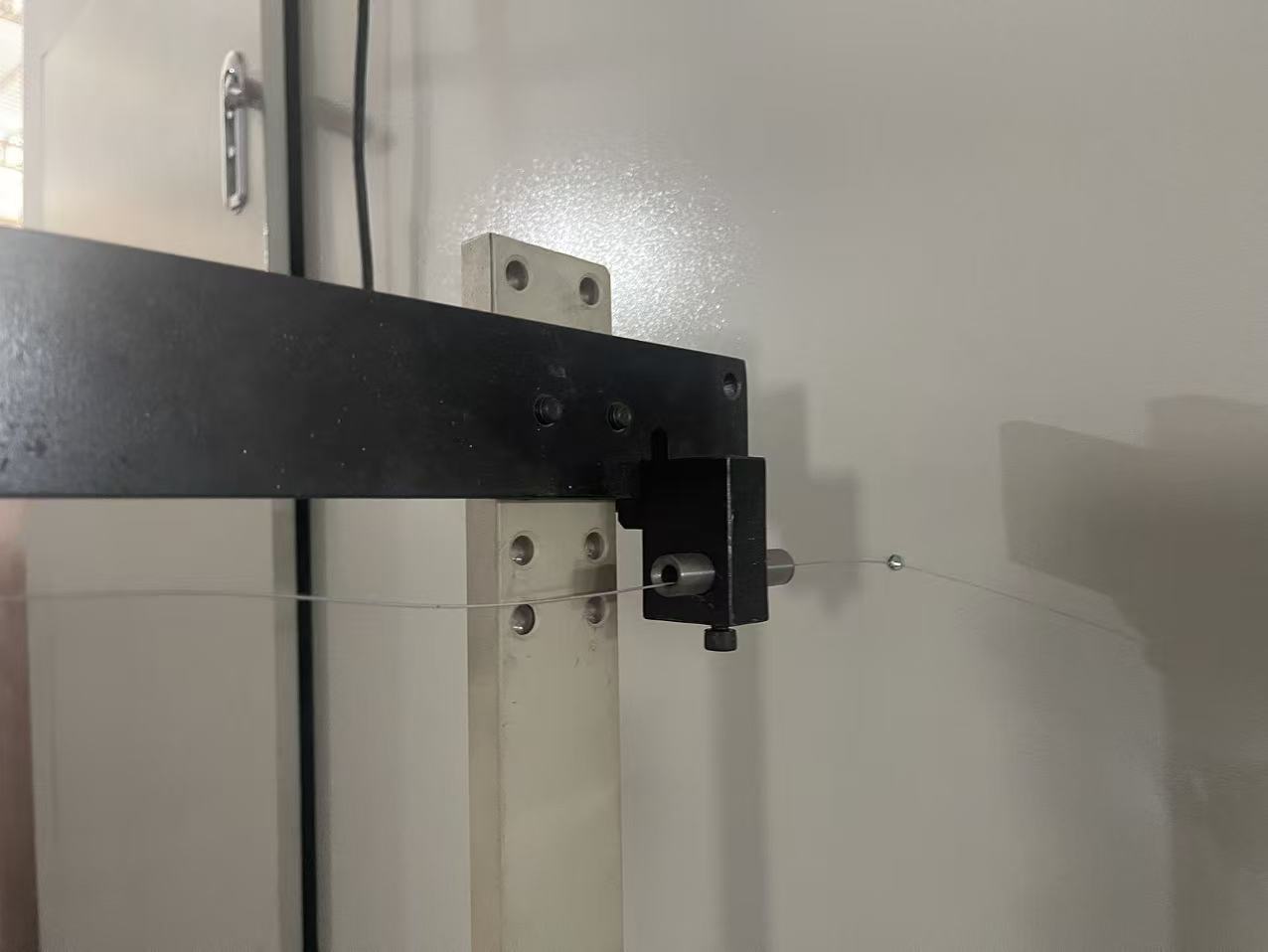
· The toilet brush making process involves several manufacturing stages. The process starts with the manufacturing of handle and brush block via injection molding or compression molding.
· The process continues with the drilling of brush base by putting it on a drilling machine where holes are created for bristle insertion. The modern CNC drilling systems have improved production accuracy.
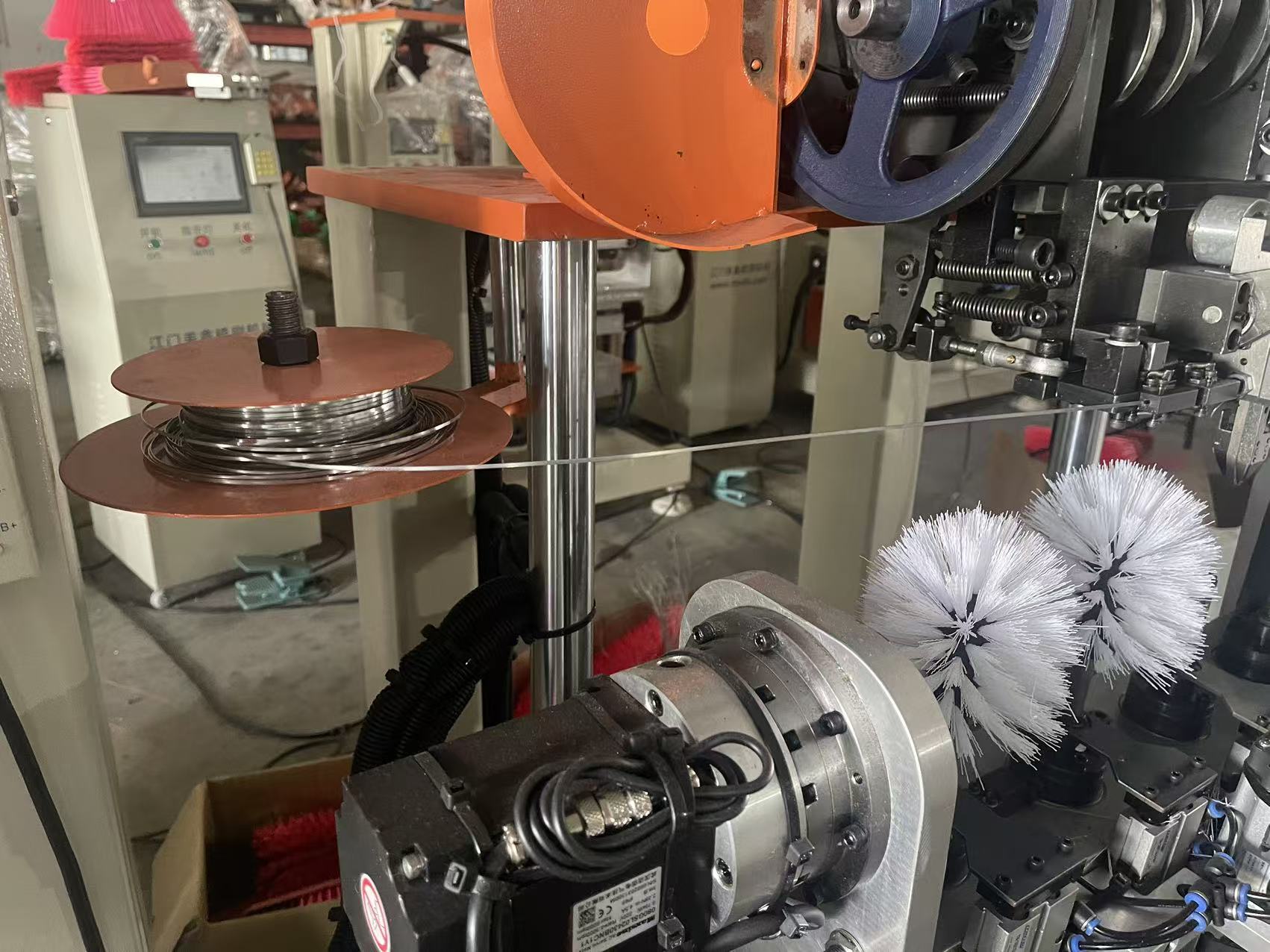
· The third step in the production of toilet brushes is the tufting stage where bristles are being inserted in the brush base. This is one of the most important step in the production of toilet brushes. The most common tufting methods used in the industries are summarized in the table below.
Tufting Method | Description |
Staple Set Tufting | Uses metal staples |
Anchor-Free Tufting | Uses pressure or heat fixation |
Twist-In Wire Method | Common for cylindrical brushes |
The modern toilet brush manufacturing machines perform tufting automatically with high precision.
· The 4th step in the production of toilet brushes is trimming and shaping where bristles are trimmed to uniform height and desired shape. The most common brush shapes are round, dome-shaped and flat.
· The 5th step in the production is the assembly, where brush, head and handle are assembled together including replaceable handles, rotating handles and storage holders. Assembly can be carried out manual or automated depending on the range of production.
· The 6th step is the cleaning and quality inspection where finished brushes undergo inspection for ensuring proper tuft retention, uniform bristle distribution and structural durability.
· This is followed by the final step of packaging which includes products for retail or commercial distribution. The packaging methods may include plastic wrapping, box packaging and eco-friendly paper packaging.
· The production steps of toilet brush have been summarized with the help of flow chart.
The modern manufacturing industries use various machines throughout the production process. The most important machines include.
· Injection Molding Machine
· Drilling and Tufting Machine
· Trimming Machine
· Assembly Machine
· Quality Inspection Equipment
1. Use High Quality Raw Material: Low quality materials can cause bristle shedding, handle breaking and short product lifespan.
2. Automated Production Process: Automation of production reduces labor costs, human error and production delays.
3. Perform Regular Machine Maintenance: Proper maintenance reducing unexpected downtime and mechanical failures.
4. Optimize Production Workflow: Effective production workflow and layout reduces unnecessary movement.
5. Monitor Quality Continuously: Proper quality inspection help in maintaining product consistency and reduce waste.
Challenge | Impact |
Poor Tuft Retention | Reduced durability |
Uneven Bristle Cutting | Poor cleaning performance |
Low-Quality Plastic | Handle cracking |
Machine Misalignment | Production defects |
Excessive Manual Operations | Lower efficiency |
The toilet brush industry is improving day by day with advanced technologies and consumer preferences through the use of eco-friendly materials, silicon brush designs, smart automation systems and sustainable packaging along with the adoption of antibacterial materials.
The complete toilet brush production process is more complex than assembling bristles and handle alone. From the selection of proper raw materials and operating advanced toilet brush manufacturing equipment each of the stages affect quality, durability and efficiency of the final product.
If you are a manufacturer, understanding the toilet brush making process is very essential for ensuring consistency and reducing operational costs. The modern automation systems and CNC tufting machines along with quality control technologies are transforming the industry.
In short, the demand for durable, hygienic and eco-friendly cleaning products continue to rise, manufacturers investing in advanced production technologies and high quality materials will be competitive in global market.
Meixin Comb Brush Machinery
A leader in this industry ,specializing in brush making machine line for more than 38 years

